
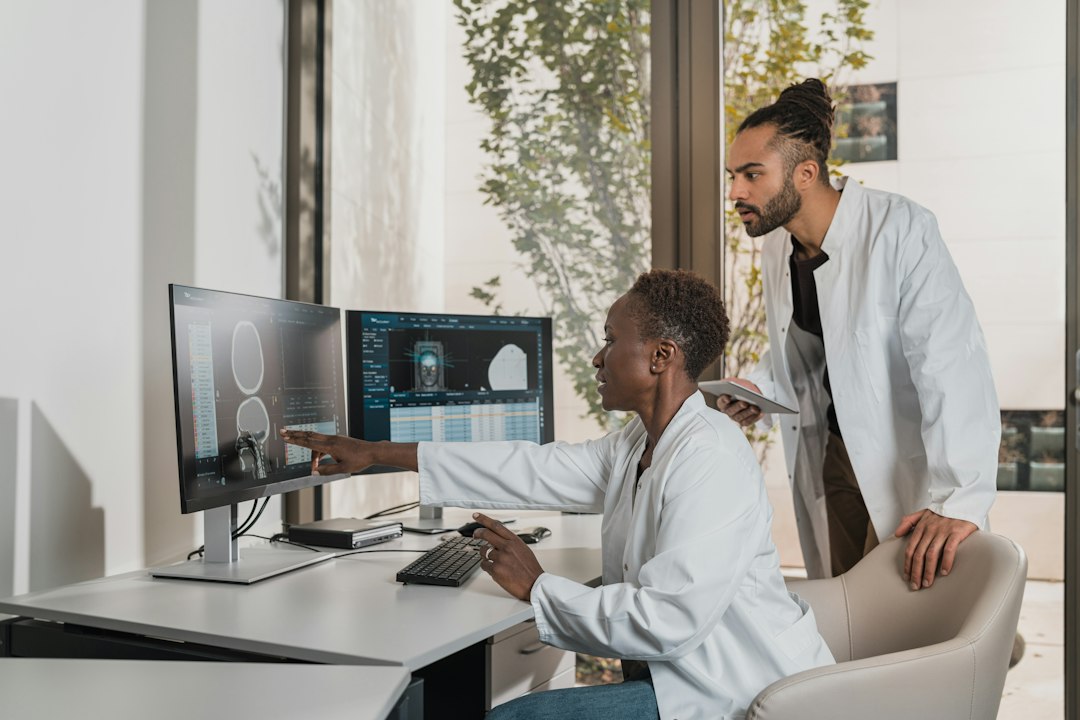
Evidence-based healthcare involves using reliable scientific findings, professional expertise, and individual patient circumstances when considering medical decisions. It encourages healthcare professionals to examine available information carefully instead of depending on assumptions or outdated practices. Discussions involving Dr Kazem Kazempour provide an opportunity to consider how scientific reasoning can contribute to responsible patient care and a more informed healthcare environment.
Why Should Medical Decisions Be Supported by Evidence?
Medical decisions can influence many aspects of an individual’s well-being. Therefore, healthcare professionals need dependable information when evaluating symptoms, diagnostic possibilities, and treatment options.
Scientific research helps identify patterns, examine medical interventions, and assess potential outcomes. Evidence does not eliminate uncertainty, but it provides a stronger foundation for understanding available choices.
It is equally important to recognize that research findings have limitations. Professionals must consider whether particular findings apply to an individual’s circumstances before drawing conclusions.
How Does Professional Experience Complement Scientific Research?
Scientific evidence and professional experience serve different but connected purposes. Research provides findings that can guide medical understanding, while professional experience helps healthcare providers interpret information within practical clinical situations.
For example, two individuals with similar symptoms may have different medical histories or underlying health concerns. Their circumstances require careful consideration rather than an identical approach.
The discussion around Dr Kazem Kazempour highlights the importance of considering scientific reasoning alongside thoughtful evaluation of individual patient needs.
Why Is Accurate Diagnosis Important?
An accurate diagnosis helps healthcare professionals understand the possible causes of symptoms and determine appropriate next steps. Diagnostic processes may involve medical histories, physical examinations, laboratory investigations, and imaging procedures.
No single method is suitable for every situation. Professionals must select and interpret diagnostic information according to the circumstances involved.
Patients can contribute by describing their symptoms clearly, sharing relevant medical history, and discussing changes in their health.
How Can Patients Become More Informed About Their Healthcare?
Patients can become more informed by preparing questions before appointments and requesting explanations when medical information is unclear. Understanding the purpose of a diagnostic test or treatment option can make healthcare discussions more productive.
Reliable educational resources can also help individuals develop general health awareness. However, online information should not replace individualized professional advice.
Healthcare professionals can support patient understanding by explaining medical concepts without unnecessary technical language.
What Challenges Affect Evidence-Based Medical Practices?
Healthcare professionals may encounter challenges such as limited research, changing scientific recommendations, incomplete patient information, and differences in available resources.
Another important challenge involves interpreting research responsibly. A scientific finding should not automatically be considered appropriate for every person.
Continued education and professional collaboration can help healthcare teams respond to these challenges while maintaining responsible standards.
How Can Evidence-Based Thinking Improve Future Patient Care?
Future medical practices will benefit from continued research, better diagnostic approaches, and stronger communication between healthcare professionals and patients.
The broader subject of Dr Kazem Kazempour encourages reflection on how evidence-based thinking can support careful medical decisions. When scientific knowledge is combined with professional responsibility and individual attention, healthcare can become more informed, respectful, and responsive to patient needs.
Quick Summary
- Evidence-based healthcare emphasizes the use of reliable scientific findings, professional expertise, and individual patient circumstances in medical decision-making.
- Healthcare professionals must critically evaluate available information rather than rely on assumptions or outdated practices.
- Accurate diagnosis is essential for determining appropriate next steps and involves various methods including medical histories and physical examinations.
- Patients can enhance their healthcare experience by preparing questions for appointments and seeking clarification on medical information.
- Challenges to evidence-based practices include limited research, changing scientific recommendations, and the need for responsible interpretation of findings.
- Combining scientific knowledge with professional responsibility and individual attention can lead to more informed and responsive healthcare.