
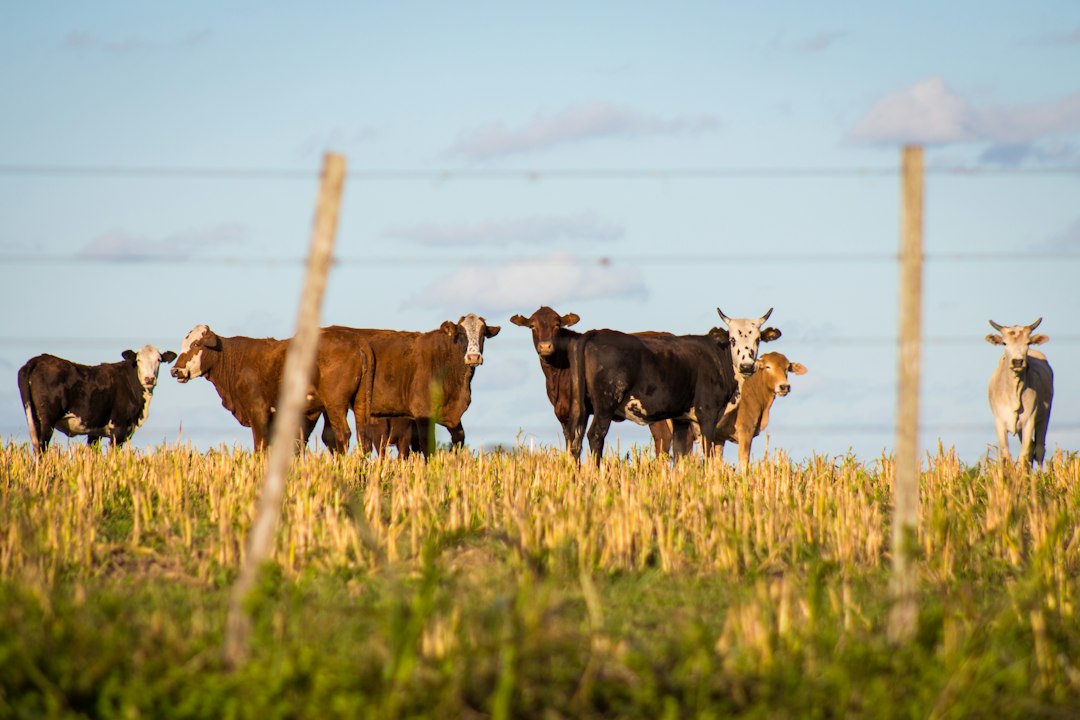
Farming communities in southern Thailand have developed strong connections with livestock through generations of agricultural work and traditional customs. Cattle contribute to rural livelihoods, family responsibilities, and community celebrations. The heritage of Southern Fighting Cattle (วัวชนแดนใต้) reflects the historical relationship between powerful bulls and local farming culture. Exploring this subject provides an understanding of how livestock ownership influences rural lifestyles, agricultural knowledge, and social relationships while highlighting the importance of responsible animal care.
How Do Cattle Support Local Farming Communities?
Cattle have traditionally been valuable agricultural animals for rural households. Farmers raise them for breeding, livestock production, and other farming purposes. Maintaining a healthy herd requires regular attention to nutrition, shelter, hygiene, and veterinary care.
Livestock ownership can also support household income and provide opportunities for agricultural development. Families often share responsibilities such as feeding animals, cleaning enclosures, and monitoring their health. These everyday activities strengthen cooperation and encourage practical farming skills.
Why Are Traditional Bull Activities Recognized Locally?
In certain southern Thai communities, traditional bullfighting has been associated with regional entertainment and social gatherings. These events have historically attracted cattle owners and spectators from nearby areas.
Such gatherings reflect local customs and provide opportunities for people to meet, exchange experiences, and maintain community connections. They also demonstrate the historical importance of cattle within rural society.
However, regional practices vary, and cattle-related cultural activities can include exhibitions, livestock displays, and agricultural celebrations that do not involve physical confrontation.
What Knowledge Do Local Farmers Share?
Experienced farmers possess valuable knowledge about cattle breeds, feeding requirements, breeding practices, and animal behavior. Much of this information is passed between generations through everyday farming activities.
Farmers also learn how weather, soil conditions, and available vegetation influence livestock management. Sharing these experiences helps communities improve their agricultural practices and make informed decisions about herd development.
Younger family members can gain useful skills by participating in suitable livestock care activities under experienced supervision.
How Are Farming Practices Becoming More Responsible?
Modern farming increasingly combines traditional knowledge with veterinary guidance and improved management methods. Regular health examinations, appropriate vaccinations, clean drinking water, and balanced nutrition contribute to healthier cattle.
Animal welfare has also become an important consideration. Deliberately encouraging bulls to fight can cause injuries, fear, and unnecessary suffering. Communities can preserve their heritage through safer livestock exhibitions, breed presentations, and educational events.
These alternatives allow farmers to celebrate cattle traditions while respecting animals’ physical and behavioral needs.
What Is the Future of Local Cattle Farming?
The future of cattle farming depends on sustainable practices, community cooperation, and responsible livestock ownership. Farmers can protect their agricultural heritage by teaching younger generations about animal care and traditional farming knowledge.
Community programs can also encourage better livestock facilities and awareness of humane treatment. Such efforts support both agricultural development and cultural preservation.
Ultimately, local farming communities represent the foundation of southern cattle heritage. Their experience, cooperation, and commitment to livestock care help preserve meaningful traditions while creating healthier opportunities for future generations.
Quick Summary
- Farming communities in southern Thailand have a historical relationship with livestock that plays a significant role in their agricultural work and traditional customs.
- Cattle contribute to rural livelihoods by supporting household income and providing opportunities for agricultural development.
- Experienced farmers pass valuable knowledge about cattle management and breeding practices between generations through everyday farming activities.
- Modern farming practices now incorporate traditional knowledge along with veterinary guidance to improve cattle health and welfare.
- Communities are shifting towards responsible farming practices that focus on humane treatment rather than traditional bullfighting events.
- The future of local cattle farming relies on sustainable practices and community cooperation to preserve agricultural heritage and promote better livestock care.