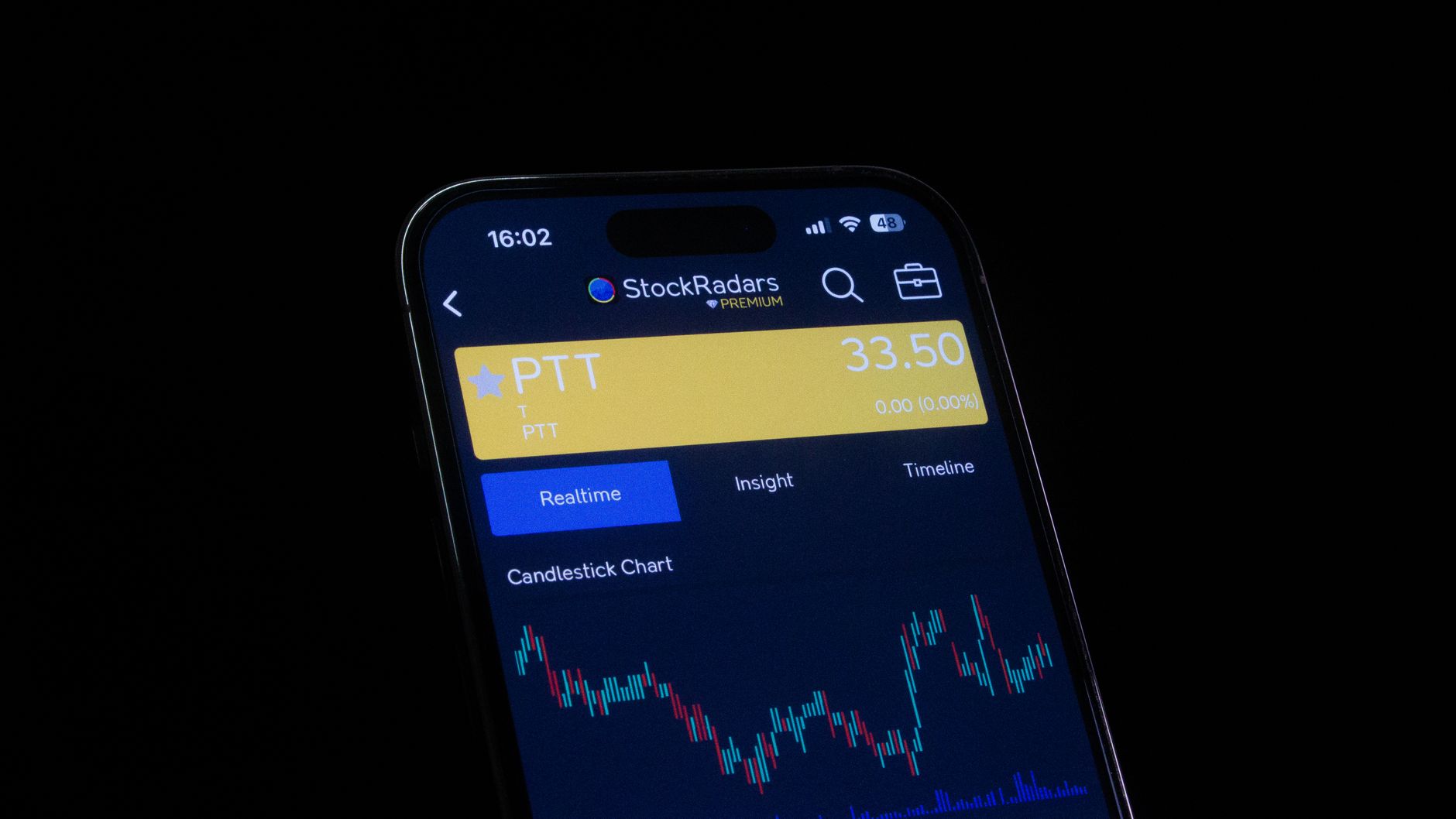
In modern financial markets, speed, reliability, and precision are essential for traders who actively participate in global opportunities. Whether dealing with forex, cryptocurrencies, or CFDs, having a dependable trading system is crucial for making informed decisions and executing trades efficiently. In this context, TradingSphere Trading Platform delivers reliable trading technology designed for active market participants who require advanced tools, real-time data, and seamless execution across multiple asset classes.
What Makes Reliable Trading Technology Important?
Reliable trading technology is essential because financial markets operate at high speed and volatility. Traders depend on accurate pricing, instant execution, and uninterrupted access to market data to make profitable decisions. Any delay or system failure can result in missed opportunities or financial loss.
A strong trading platform ensures stability even during high market activity. It provides consistent performance, secure connections, and fast order processing, allowing traders to operate with confidence in all market conditions.
How Does Real-Time Data Improve Trading Decisions?
Real-time data plays a critical role in helping traders respond to market movements instantly. Prices in forex, crypto, and CFD markets can change within seconds, making timely information essential for success.
Advanced platforms provide live charts, market indicators, and economic updates that help traders analyze trends effectively. This allows for better entry and exit decisions, improving overall trading accuracy and reducing unnecessary risks.
Why Is Platform Stability Crucial for Active Traders?
Active traders rely heavily on platform stability because they execute multiple trades within short timeframes. Even minor disruptions can impact profitability and strategy execution.
A reliable trading platform ensures minimal downtime and smooth operation during peak market hours. This stability allows traders to focus on strategy rather than technical issues, improving efficiency and consistency in trading performance.
How Do Advanced Trading Tools Enhance Performance?
Advanced trading tools help traders analyze markets more effectively and execute strategies with precision. Features such as customizable charts, technical indicators, and automated trading options support better decision-making.
These tools also help reduce emotional trading by relying on data-driven analysis. With automated alerts and strategy execution features, traders can respond quickly to market conditions while maintaining discipline in their approach.
What Role Does Multi-Asset Access Play in Trading?
Multi-asset access allows traders to diversify their portfolios across forex, cryptocurrencies, indices, commodities, and CFDs. This diversification helps reduce risk and increase opportunities across different market conditions.
By using a single platform for multiple asset classes, traders can manage their investments more efficiently. This unified approach simplifies trading operations and improves portfolio flexibility.
How Is Risk Managed in Modern Trading Environments?
Risk management is one of the most important aspects of trading success. Effective strategies such as stop-loss orders, take-profit levels, and position sizing help protect capital from excessive losses.
A reliable trading platform provides built-in risk management tools that allow traders to control exposure and manage volatility. This ensures more balanced trading and helps maintain long-term financial stability.
How Can Active Traders Achieve Long Term Success?
Long-term success in trading requires consistency, discipline, and continuous learning. Traders must develop structured strategies, analyze market behavior, and adapt to changing conditions.
Reliable trading technology supports this journey by providing the tools, data, and stability needed for informed decision-making. With the right combination of technology and strategy, active market participants can build sustainable trading performance and achieve long-term growth.