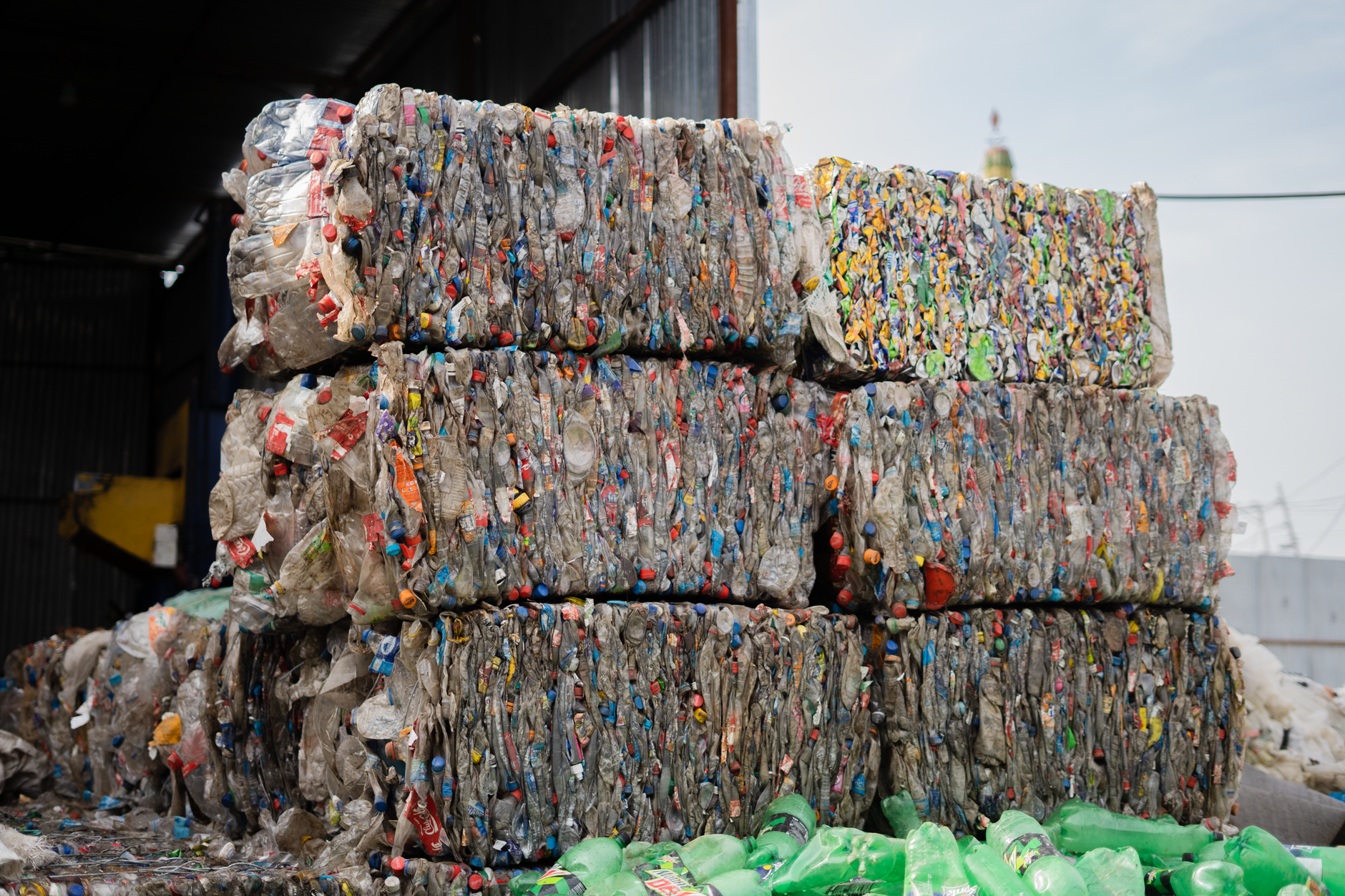
Recycle HDPE, focused on high-density polyethylene recovery, is a key component of modern plastic waste management systems. HDPE is one of the most widely used plastics in the world, found in bottles, pipes, containers, and industrial packaging. Due to its durability and high production volume, Recycle HDPE plays a major role in reducing environmental pressure and supporting circular economy practices.
What is HDPE and why is it widely recycled?
High-density polyethylene (HDPE) is a thermoplastic known for its strong molecular structure, high strength-to-density ratio, and resistance to chemicals and moisture. It is commonly used in milk jugs, detergent bottles, plastic pipes, crates, and packaging materials.
Its recyclability comes from its thermoplastic nature, meaning it can be melted and reshaped multiple times without completely losing its core structure. This makes it one of the most accepted plastics in recycling systems globally.
Why is recycling HDPE important in modern waste systems?
Recycling HDPE is important because it significantly reduces plastic waste accumulation in landfills and natural environments. Since HDPE does not biodegrade, improper disposal can lead to long-term pollution challenges.
From a statistical waste management perspective, HDPE recycling helps improve material recovery rates and reduces reliance on virgin plastic production. This directly contributes to lower energy consumption and reduced greenhouse gas emissions in manufacturing systems.
How is HDPE recycled step by step?
The recycling process begins with collection from households, commercial facilities, and industrial sources. Once collected, HDPE items are sorted based on color and purity to ensure consistent quality in the recycling stream.
After sorting, the material is washed to remove contaminants such as labels, adhesives, and residues. It is then shredded into flakes, melted, and reprocessed into small plastic pellets. These pellets are used to manufacture new products such as pipes, containers, crates, and plastic lumber.
Efficient segregation at the early stage greatly improves output quality and overall recycling efficiency.
What makes HDPE highly suitable for recycling?
HDPE is highly suitable for recycling due to its simple chemical structure and strong physical stability. Its linear polymer chains allow it to maintain strength even after multiple processing cycles.
Another key advantage is its resistance to moisture and chemicals, which helps preserve material quality during collection and processing. These properties make HDPE one of the most economically and technically viable plastics in recycling systems.
Where is recycled HDPE commonly used?
Recycled HDPE is widely used across construction, packaging, agriculture, and manufacturing industries. It is commonly transformed into drainage pipes, storage containers, outdoor furniture, crates, and industrial packaging materials.
In infrastructure projects, recycled HDPE is valued for its durability and resistance to environmental conditions. This allows industries to reduce production costs while maintaining product performance standards.
What challenges exist in HDPE recycling systems?
One of the main challenges is contamination from mixed plastics and non-recyclable materials. Even small impurities can affect the quality of recycled HDPE output.
Another challenge is color mixing, which limits its use in products requiring uniform appearance. Additionally, inconsistent collection systems in some regions reduce recovery efficiency. However, ongoing improvements in sorting technology are steadily addressing these issues.
How does HDPE recycling support environmental sustainability?
HDPE recycling plays a significant role in reducing environmental impact by lowering plastic waste in ecosystems and reducing demand for virgin plastic production. This helps conserve fossil fuel resources used in plastic manufacturing.
It also reduces carbon emissions associated with production and disposal processes. By keeping materials in circulation, HDPE recycling strengthens circular economy models and promotes long-term environmental balance.
What is the future outlook for HDPE recycling?
The future of HDPE recycling is expected to expand with advancements in automated sorting systems, improved mechanical recycling technologies, and innovative chemical recycling methods. These developments are increasing efficiency and improving material quality.
There is also a growing focus on designing products that are easier to recycle, which will further enhance system performance. As global sustainability targets become stricter, HDPE recycling will continue to play a critical role in modern waste infrastructure.
Conclusion
Recycle HDPE systems are essential for managing one of the most widely used plastics in the world. By converting discarded high-density polyethylene into reusable materials, these systems reduce environmental pollution, conserve resources, and support sustainable production cycles. With continuous innovation and improved recycling infrastructure, HDPE recycling will remain a key driver in building a more efficient and environmentally responsible future.